Skip to content

Cart

Your cart is empty

Germany

Sort by

40 products

Mosel Riesling Kabinett 2024
Haltinger Weissburgunder 2025
Haltinger
Haltinger Pinot Blanc Sale price€9,95
Eintal Pinot Noir 2024
Moselland
Eintal Pinot Noir Sale price€6,75
Bio Wittmann Rosé Trocken 2023
Eintal Pinot Blanc 2024
Moselland
Eintal Pinot Blanc Sale price€6,75
AlcoholvrijNOA Sparkling Tea Sencha & Jasmine
BIO-DEM Eymann Flora & Fauna Weiss 2025
Haltinger Reserve Spätburgunder 2021
Pierre Zero Sparkling Rosé 0.0% Alcohol-Free
AlcoholvrijKolonne Null Riesling 2024
Carl Ehrhard Old School Riesling Fein & Herb 2024
Carl Ehrhard Berg Roseneck Spätburgunder 2023
AlcoholvrijNOA Sparkling Tea Hojicha
Noa
NOA Sparkling Tea Hojicha Sale price€8,95
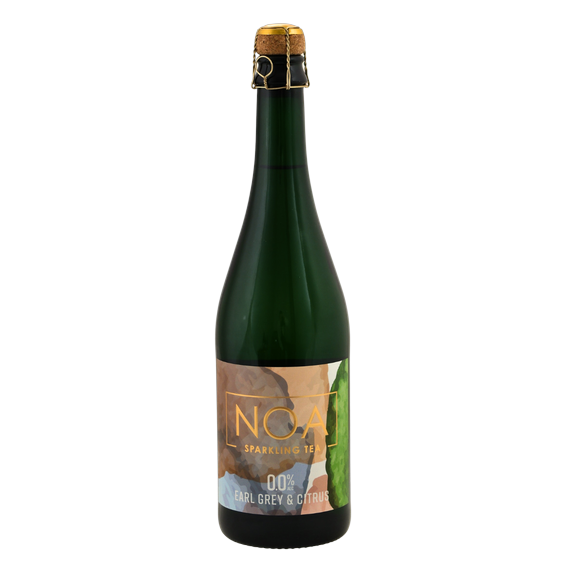
AlcoholvrijNOA Sparkling Tea Earl Grey & Citrus
Küfertrunk Deutscher Wein (1 liter)
BIO-DEM Eymann Gönnheimer Spätburgunder 2024
Wittmann Riesling trocken 2024
Wittmann
Wittmann Riesling dry Sale price€19,95
Haltinger Reserve Grauburgunder 2023
Franz Keller Oberbergener Bassgeige Chardonnay 2023
Haltinger Grauburgunder QBA 2023
Franz Keller Weissburgunder vom Löss 2024
Franz Keller Grauburgunder vom Löss 2024
Franz Keller Erste Lage Oberbergener Pulverbuck 2023
Franz Keller Spätburgunder vom Löss 2023
Franz Keller Erste Lage Oberbergener Bassgeige Spätburgunder 2023

Germany

Of all the major wine-growing regions in the world, Germany is the most northerly: German vineyards are located around the 50th parallel. The average annual temperature fluctuates around 10°C. The vineyards are therefore on the border of the area where viticulture is possible. Baden, the southernmost German wine region, is at the same latitude as the northernmost wine-growing region in France, Alsace.

Germany has more than a hundred different grape varieties. Only twenty of these varieties are used for commercial purposes. The rest are for experiments, private use, and the like. Approximately 37 percent of German vineyards are planted with Riesling and Müller-Thurgau. Over 10 percent is planted with Spätburgunder (Pinot noir). Most German red wine comes from this grape.

The Riesling is Germany's primary quality grape. Riesling wines can age very well and can become very old. The better wines even need five years to become drinkable. If you drink them too early, the acids dominate. The full flavour only develops later. Older Riesling wines can develop a distinct aroma reminiscent of diesel fuel. The Germans call this mature taste 'Firne'. The French call this the 'goût de pétrole'.