




New Zealand
The history of viticulture began with the first grapevines brought from Australia by Samuel Marsden in 1819. The current wine industry developed from the late 1960s onwards. Initially, the focus was on making fortified wine. In the 1970s, the New Zealand wine industry was guided by the advice of German professor Helmut Becker from Geisenheim to plant Müller-Thurgau. New Zealand winemakers then focused on producing light, fruity white wines. However, this only proved successful in cooler regions. Since the 1980s, winemakers have also planted a significant amount of Sauvignon Blanc.
New Zealand is known for its fantastic unspoiled landscapes. There are dense natural forests, snow-capped mountains, and a spectacular coastline. The country consists of two main islands, located between 35 and 46 degrees south latitude. New Zealand is 1600 kilometers long, resulting in significant climatic differences.
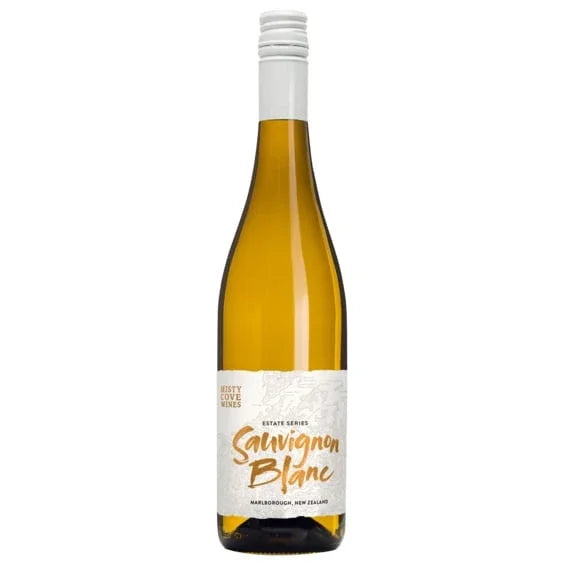
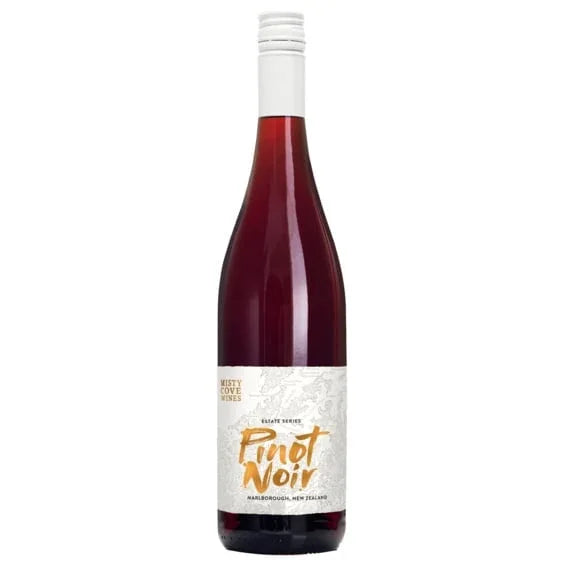
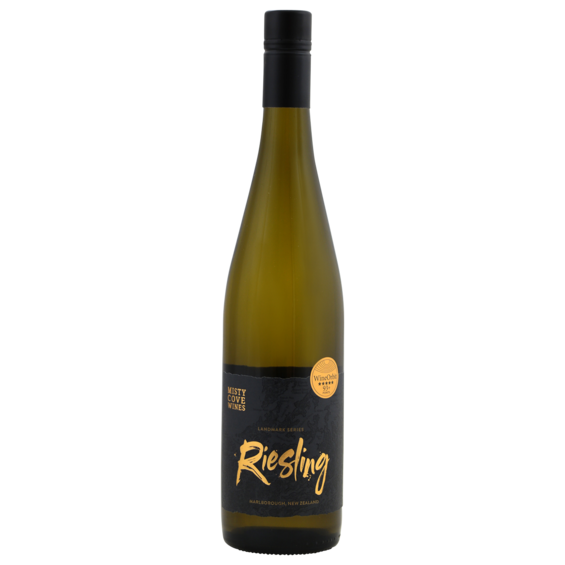
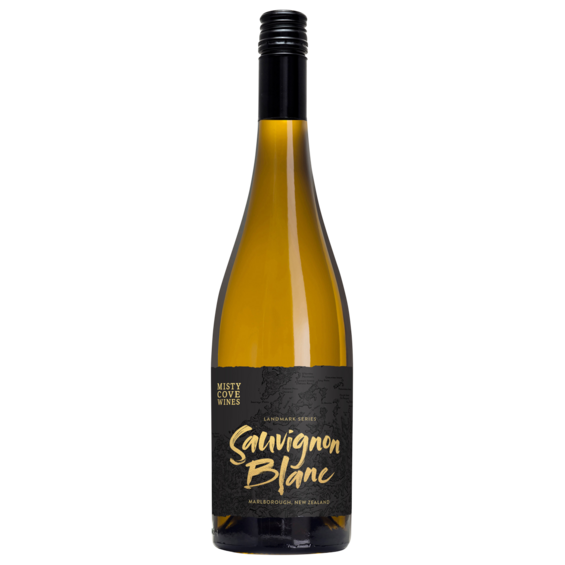
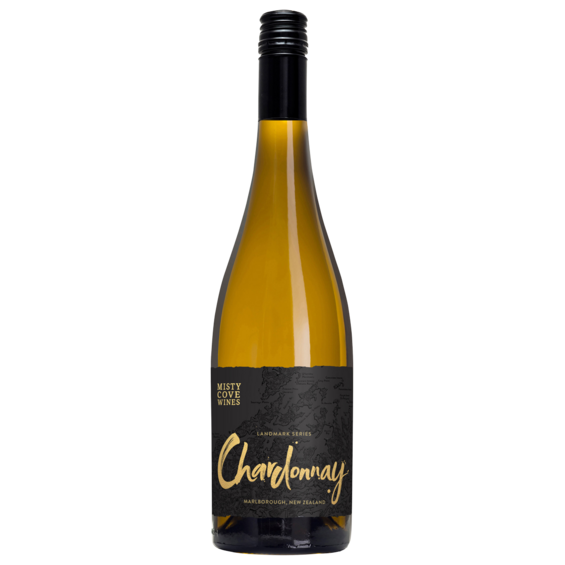
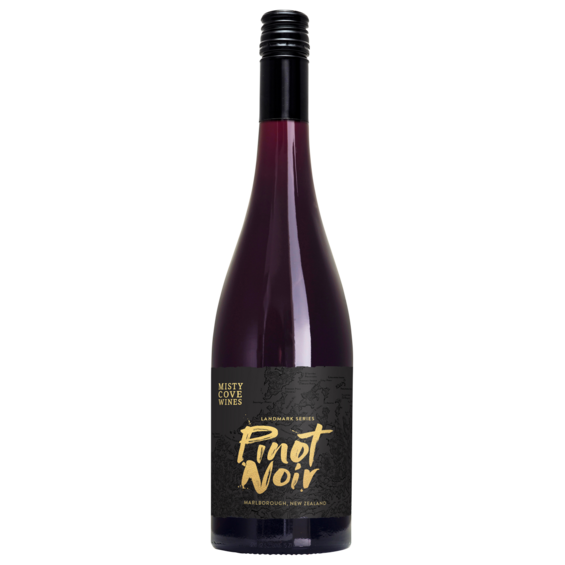
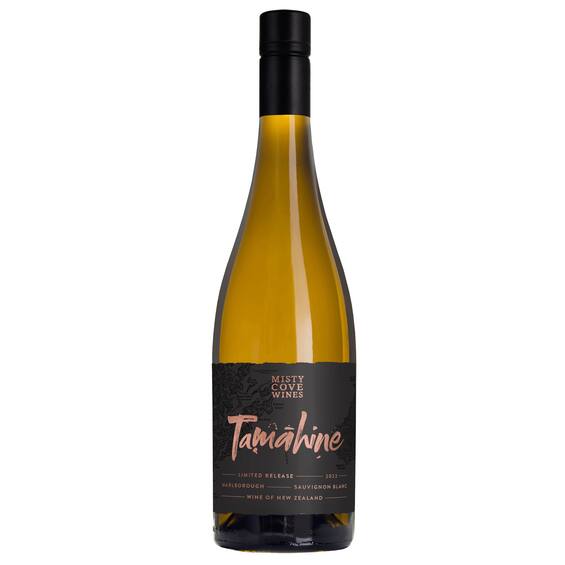
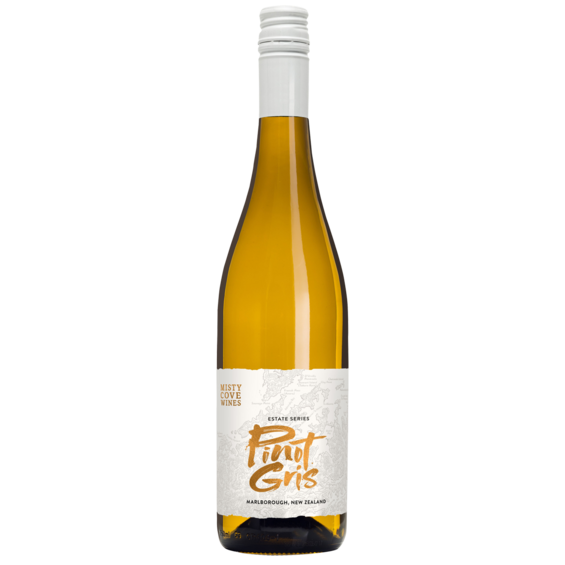
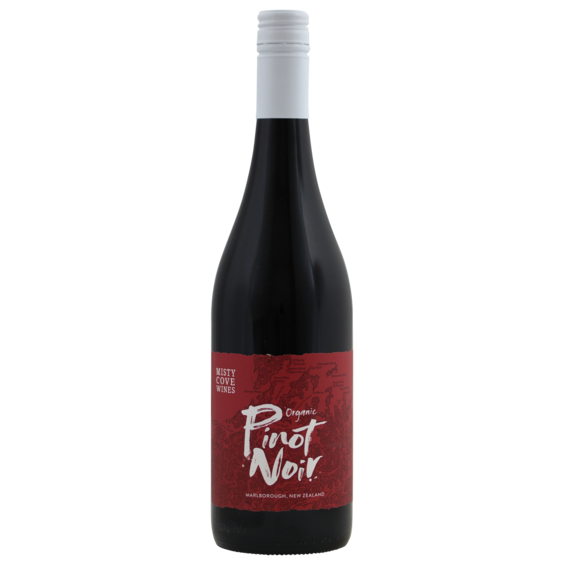
Most New Zealand wines are white. The Sauvignon Blanc from the country is globally recognized as a good representative of this grape variety. New Zealand has also built a good reputation with wines made from Chardonnay, Pinot Noir, Riesling, Cabernet Sauvignon, Merlot, and with sparkling wines made using the traditional method. In the cooler regions, Chardonnay, Pinot Noir, and Sauvignon Blanc thrive, especially on the South Island. In the warmer areas of the North Island, Merlot and Cabernet Sauvignon ripen well.
Also discover