
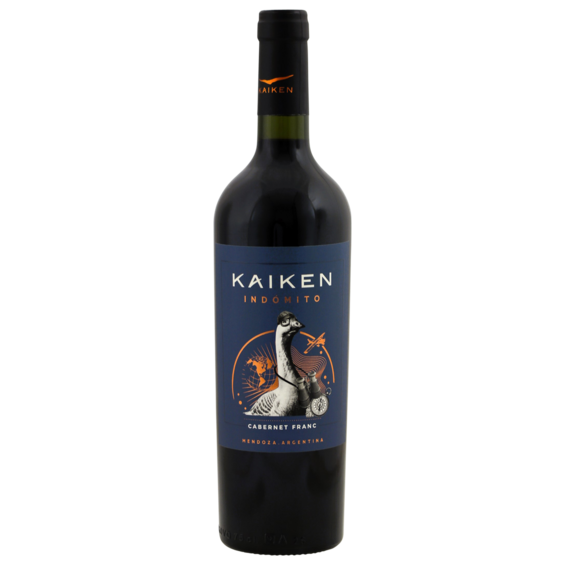
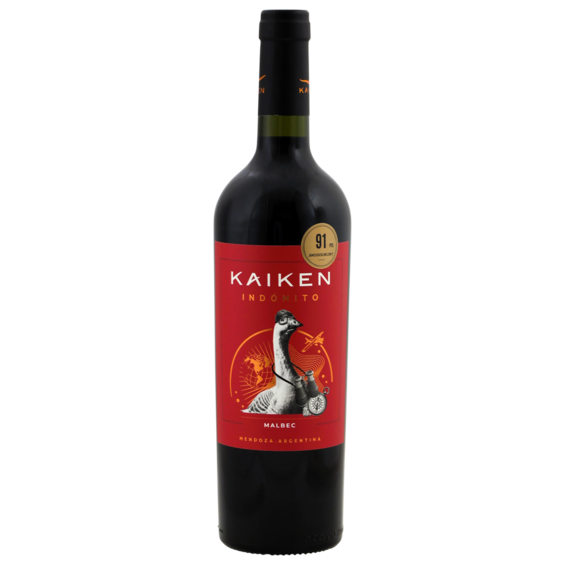
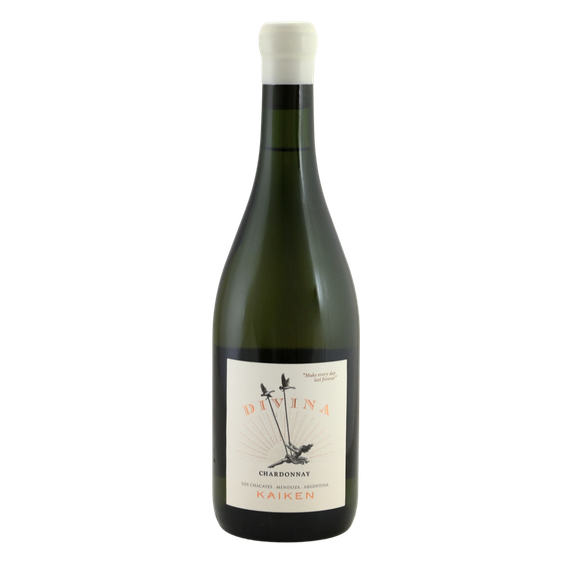
The history of Argentina dates back to the mid-16th century, when Spanish colonists planted the first vines. It wasn't a resounding success. The first grape, Criolla Grande, produced only mediocre wines. It wasn't until the second half of the nineteenth century, when a railway was built between Buenos Aires and Mendoza, that winemaking really took off. The quality still wasn't great, but Argentines loved it.
Area of Argentina
This South American country is no less than 3460 kilometers long and 1580 kilometers wide. With over 200,000 hectares of vineyards, Argentina is by far the largest wine country in South America. In fact, Argentina is among the top five largest wine countries in the New World. And no, bigger isn't always better. But wine country Argentina has developed a taste for it. Numerous grape varieties are planted here, yet one grape is the absolute favorite: Malbec.
Argentine Regions
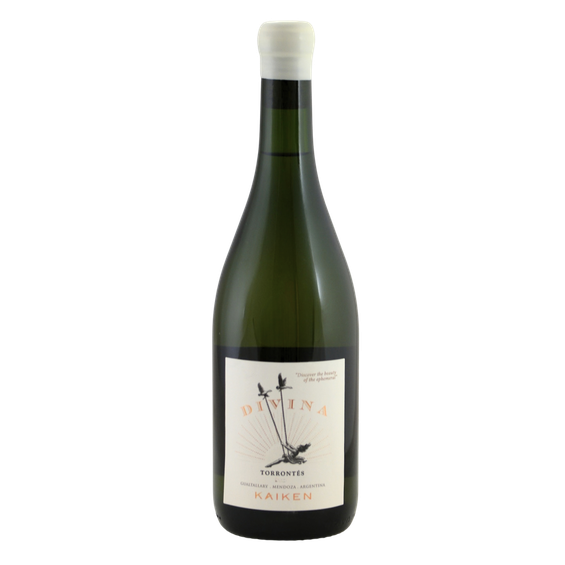
The most important region is Mendoza. Three-quarters of all Argentine wines are made here, at the foot of the Andes Mountains at an altitude of 600 to 2000 meters. The best-known area in Mendoza is Valle del Uco. The Malbec from this area is world-famous. San Juan, the second wine region in Argentina, is mainly known for red wines made from Syrah and Sauvignon Blanc. A wine region that should also be mentioned is the northern Cafayate in Salta province. This area, one of the driest in Argentina, is particularly known for its dry white wines from the Torrontés grape.
Climate
The climate in the country varies: from subtropical in the north to cold and dry in the south. The country has 210,000 hectares of vineyards. All are located to the east of the Andes and are divided into several wine regions.
Also discover
